

Choosing between carbon1 and stainless steel2 is tough. The wrong choice can inflate costs or lead to product failure. Understanding their differences is key to your project's success.
The best choice depends on your needs. Carbon steel is strong and affordable, perfect for projects that need painting or coating3. Stainless steel offers superior corrosion resistance and a clean look without any finish, making it ideal for harsh environments or premium aesthetics.
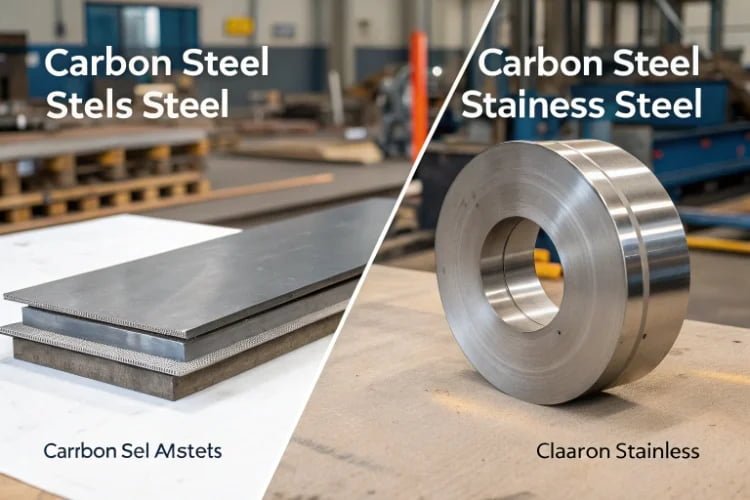
So, you have a basic idea now. But the real decision comes down to the specific pros and cons for your application. We've worked with both materials for over 15 years, and the details matter. Let's dive deeper into what makes each material shine, and where they fall short.
What are the Pros of Carbon Steel and Stainless Steel?
Want maximum value for your project? Paying for features you don't need is a waste. Let's look at the strengths of each metal to maximize your budget.
Carbon steel's main advantages are its lower cost, high strength, and ease of machining. Stainless steel stands out for its excellent corrosion resistance, hygienic properties, and aesthetic appeal without needing a surface treatment. It's naturally durable and looks great.
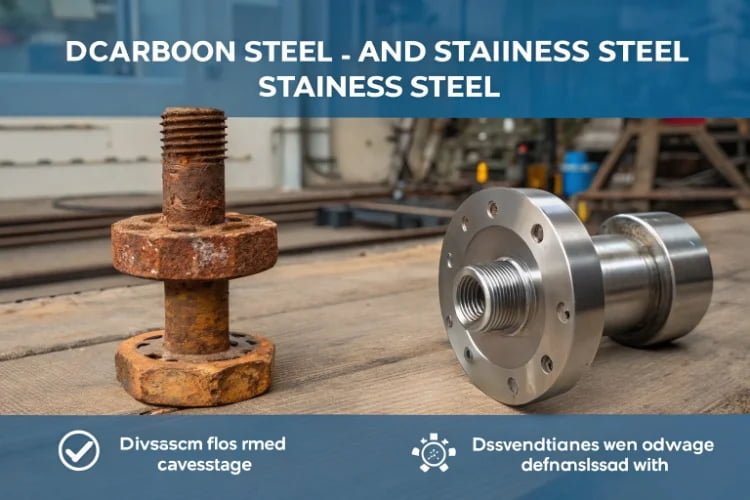
Carbon steel is often our go-to for many clients, and for good reason. Let's break down its key benefits.
Carbon Steel: The Practical Powerhouse
Its biggest advantage is cost. For wholesalers and large-scale OEM projects, the lower material cost of carbon steel adds up to significant savings. It's also incredibly strong and hard, making it perfect for products that need to bear weight, like display stands or equipment chassis. From a manufacturing standpoint, it's a dream to work with. It is easy to cut, bend, and weld. This ease of fabrication means faster production times and lower labor costs for us, a saving we pass on to our clients.
Stainless Steel: The Premium Performer
Stainless steel's reputation is built on one major feature: corrosion resistance. The chromium in the alloy creates a passive layer that protects it from rust. This makes it ideal for harsh environments or products where longevity is paramount. It also has a built-in aesthetic appeal. You've seen the beautiful brushed or polished finishes on appliances and fixtures. It achieves this look without any paint or coating3.
Here is a quick summary of their advantages:
| Feature | Carbon Steel | Stainless Steel |
|---|---|---|
| Cost | Lower, more budget-friendly | Higher initial investment |
| Strength | Very high strength and hardness | Strong, but more ductile |
| Fabrication | Easier to machine and weld | More challenging to work with |
| Appearance | Requires coating3 (paint, powder) | Aesthetically pleasing on its own |
What are the Cons of Carbon Steel and Stainless Steel?
Worried about your product failing unexpectedly? A rusting or breaking product can ruin your brand's reputation. Understanding each metal's weaknesses helps you prevent these expensive failures.
Carbon steel's main drawback is its susceptibility to rust, requiring a protective coating3. Stainless steel's cons are its higher cost and the difficulty in fabrication, including welding and painting. These factors can significantly increase the project budget.
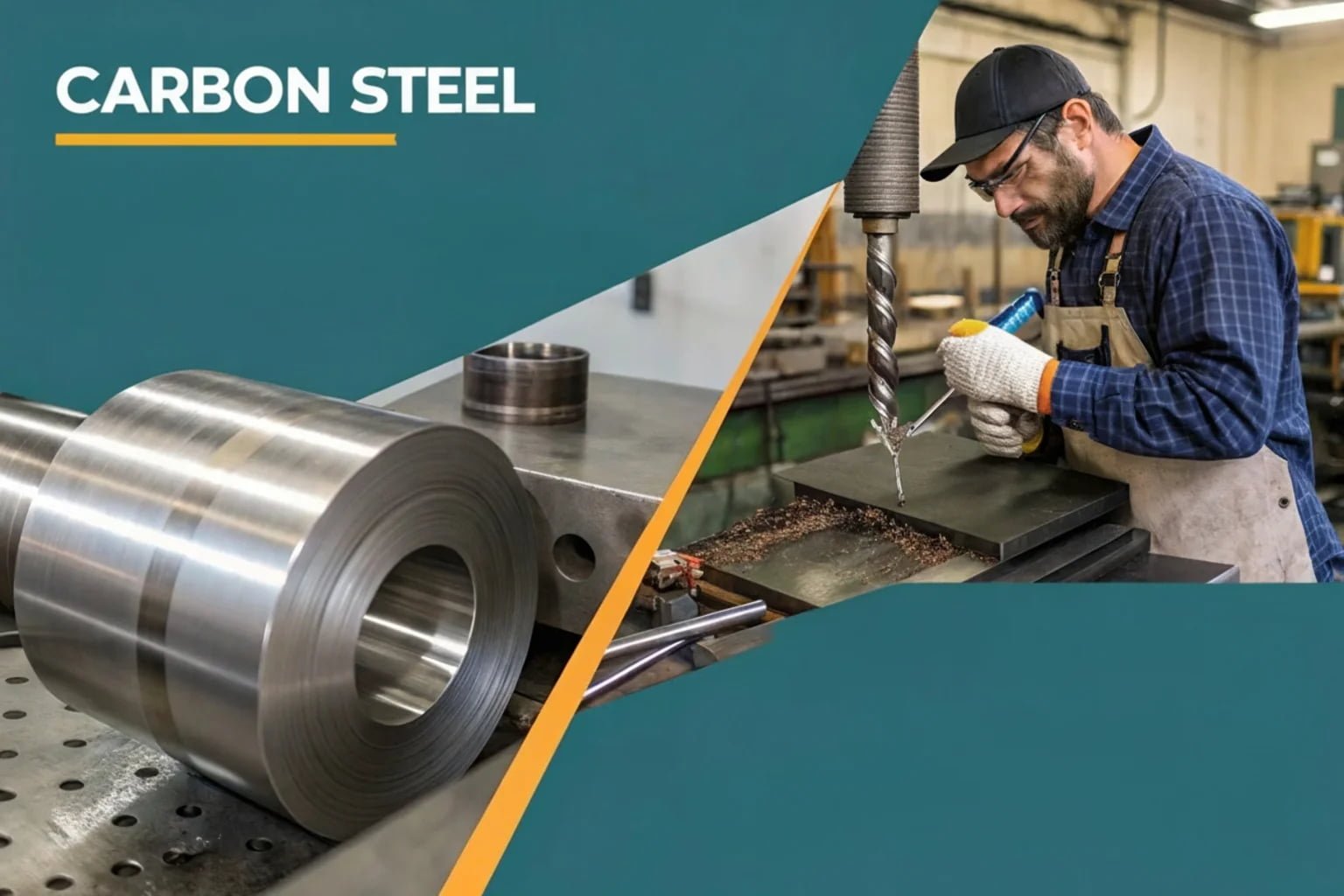
Every material has its trade-offs. Being aware of them is crucial for smart product design and budgeting.
Carbon Steel: The Need for Protection
The single biggest disadvantage of carbon steel is its vulnerability to rust. If left exposed to moisture and air, it will corrode. This means it almost always needs a protective finish. We typically use powder coating4 or painting. While this adds a step and cost to the manufacturing process, it's a very reliable solution that also allows for custom branding with different colors. The key is ensuring the coating3 is high-quality and applied correctly to provide long-term protection.
Stainless Steel: The Price of Perfection
The most significant barrier for stainless steel2 is its price. The material itself can be several times more expensive than carbon steel. For our clients with large volume orders, this higher cost is often a non-starter. It's also more difficult to work with. It wears out cutting tools faster and requires more skill to weld properly, which can increase labor costs. A less-known issue is applying surface coating3. Getting paint or powder to stick to stainless steel2 is very difficult. It requires special surface preparation, and even then, the finish can be prone to chipping. This makes it a poor choice if you need a specific color.
| Issue | Carbon Steel | Stainless Steel |
|---|---|---|
| Corrosion | High risk, requires coating3 | Excellent resistance |
| Cost | Low | High |
| Fabrication | Easy | Difficult, wears out tools |
| Coating | Accepts coating3s very well | Difficult to coat effectively |
When Should You Use Carbon Steel vs Stainless Steel in Real-World Cases?
Theory is great, but how does this apply to your product? Choosing from a spec sheet can lead to an expensive, over-engineered part. Let's see how these choices work in real-world applications.
Use carbon steel for cost-sensitive projects that require strength and will be coated, like display racks or enclosures. Use stainless steel2 for items in corrosive environments or where hygiene and a premium metallic finish are essential, like some mailboxes or kitchen equipment.
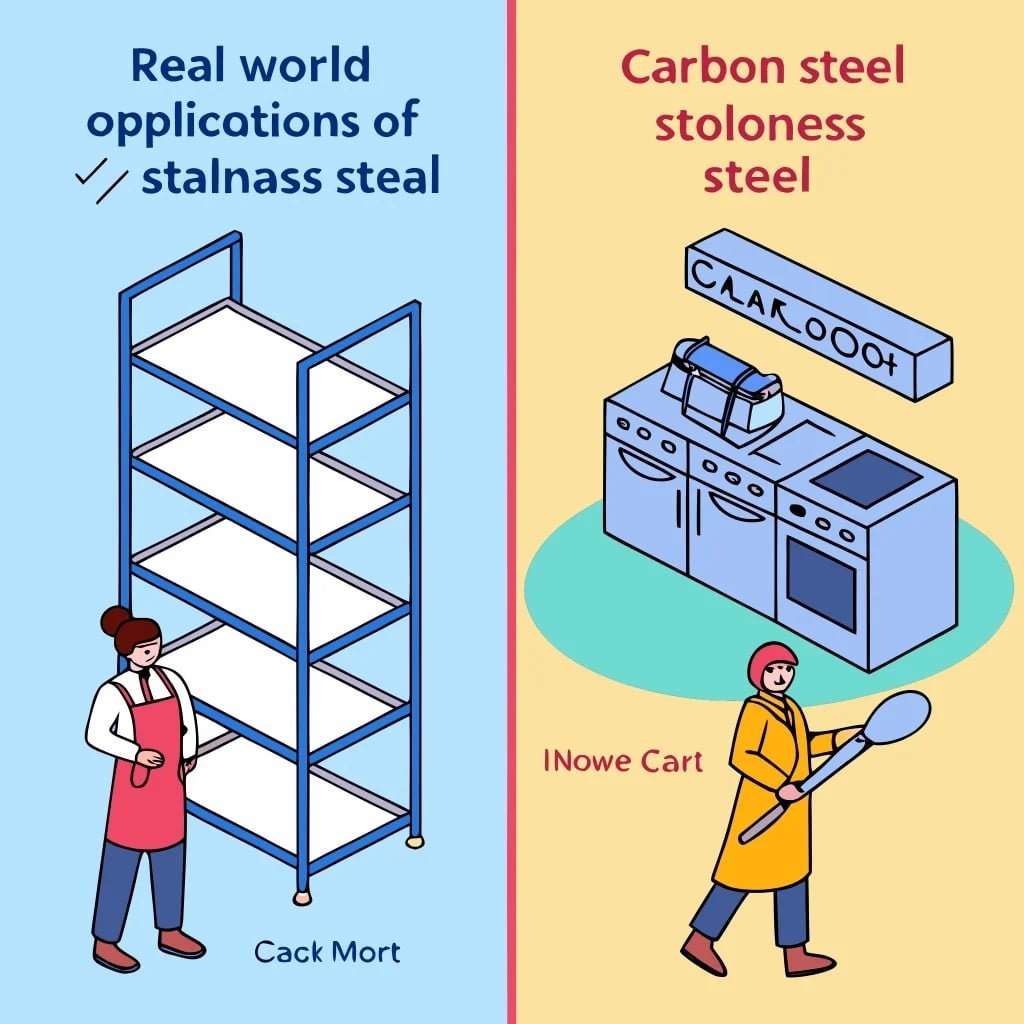
Let me share a story from our experience. It perfectly illustrates how the right material choice can save a project.
A Case for Powder-Coated Carbon Steel
We had a client from Poland who needed a large batch of mailboxes for hotels in a coastal city. Their first instinct was to request stainless steel2. They were rightly concerned that the salty sea air would cause rust. However, they also had a strict budget. We knew that using stainless steel2 would be too expensive. More importantly, we explained the technical challenges. We demonstrated how difficult it is to get powder coating4 to properly adhere to a stainless steel2 surface. It requires special, costly pre-treatment. Instead, we proposed using carbon steel with a high-performance outdoor resin powder coating4. We showed them examples from other clients whose products had been outdoors for over five years with no signs of rust. They were convinced. We delivered a durable, rust-resistant product that met their budget.
When Stainless Steel is the Only Choice
Of course, there are times when stainless steel2 is the clear winner. For home goods like kitchen accessories or high-end appliance panels, its hygienic surface and premium look are essential. The same goes for medical equipment. In these cases, the ability to withstand constant cleaning is critical. For our clients in the US and Japan who order premium display fixtures, the raw, polished look of stainless steel2 is the entire point. In these applications, the higher cost is justified.
| Application | Recommended Material | Key Reason |
|---|---|---|
| Indoor Display Racks | Carbon Steel | Cost-effective, strong, easily colored |
| Outdoor Mailboxes | Coated Carbon Steel | Cost-effective with proven corrosion resistance5 |
| Electrical Enclosures | Carbon Steel | Strength, cost, ease of modification |
| Kitchen Appliances | Stainless Steel | Hygiene, aesthetics, corrosion resistance5 |
| Medical Carts | Stainless Steel | Sterilization, non-reactive surface |
Conclusion
Choosing between carbon1 and stainless steel2 depends on your budget, application, and desired finish. Understanding these pros and cons ensures you get the best value for your product.
Explore this resource to understand how carbon steel can enhance your project's cost-effectiveness and strength. ↩
Discover why stainless steel is the go-to choice for hygiene and aesthetics in kitchen appliances. ↩
Explore this resource to learn about effective coatings that enhance durability and aesthetics for both carbon and stainless steel. ↩
Learn how powder coating enhances the durability and appearance of metal products. ↩
Learn how corrosion resistance plays a crucial role in choosing materials for various applications. ↩